

Punggul Village in Bali is at the heart of a transformative project led by the IEEE Tech4Good initiative. This groundbreaking effort addresses the growing problem of ceremonial waste generated by Bali’s rich cultural and religious practices. Renowned for its traditions, Bali produces substantial organic waste daily from religious offerings, including fruits, flowers, and bamboo containers. During significant celebrations, this waste can exceed 1000 kilograms, creating challenges for the local environment.
For years, Punggul Village has tackled this issue by processing organic waste into compost using diesel-powered shredders and landfill methods. While effective in recycling, this approach has unintentionally caused air and water pollution. Diesel engines emit harmful carbon dioxide, while landfill methods generate foul odors and risk water contamination from leakage. Recognizing the urgency of a cleaner solution, the IEEE Tech4Good team from Institut Teknologi Sepuluh Nopember (ITS) has developed an innovative and eco-friendly waste management system.
The new solution replaces diesel-powered shredders with a 750-watt electric motor powered by solar energy. Six photovoltaic panels, each with a capacity of 580 WP, generate a total of 3,480 WP, providing a sustainable and renewable energy source. The system also integrates closed composting tubes enhanced with Internet of Things (IoT) technology, enabling real-time monitoring of temperature and pH levels. Equipped with sensors operated via an Arduino-based system with WiFi connectivity, the composting process is optimized, eliminating unpleasant odors and harmful gas emissions.
Collaboration with Yayasan Budaya Bali Punggul Hijau, a non-profit foundation dedicated to sustainable waste management, has been pivotal to the project’s success. The foundation sorts organic and non-organic waste, converting organic materials into compost for local use and forwarding non-organic materials to appropriate recycling facilities. The foundation leader, I Gusti Nyoman Jelantik, welcomed the initiative, emphasizing its value in supporting Bali’s cultural and environmental needs. This project is fully supported and funded by the IEEE Humanitarian Technologies Board (HTB), which empowers IEEE volunteers worldwide to carry out impactful humanitarian technology activities at the local level. The IEEE Tech4Good program, a key initiative of HTB, provides funding opportunities for grassroots technological projects led by IEEE members. By aligning with this program, the Bali ceremonial waste composter initiative exemplifies the power of technology to drive sustainable solutions to pressing environmental issues.
Over six months, the team led by Prof. Mauridhi Hery Purnomo and Prof. Wiwik Anggraeni implemented the project in structured phases, beginning with focus group discussions to determine carbon emission and compost quality parameters. The design of the solar PV system and the integration of hardware and software for the IoT monitoring system followed, culminating in rigorous testing and refinement. The project was officially handed over to the community in November 2024.
This initiative significantly contributes to the United Nations Sustainable Development Goals (SDGs) 7 and 13, focusing on affordable clean energy and climate action. By eliminating reliance on diesel and adopting solar energy, the project drastically reduces carbon emissions and air pollution while fostering sustainable waste management practices.
Prof. Mauridhi Hery Purnomo highlighted the broader impact of the initiative, emphasizing its potential to position Bali as a model of eco-friendly waste management. Meanwhile, Yayasan leader I Gusti Nyoman Jelantik praised the collaborative effort, noting its alignment with preserving Bali’s cultural identity and natural beauty. The IEEE Tech4Good project demonstrates the power of technology in addressing pressing environmental issues. As Bali continues to attract tourists from around the world, initiatives like this ensure that the island’s cultural richness thrives alongside a commitment to sustainability and environmental stewardship.
The eco-friendly waste management project is one of the four IEEE Tech4Good projects held in the Indonesia Section in 2024. The other three are the “Cahaya Budi Luhur Phase 3” project (implemented by Universitas Budi Luhur), “A composter machine integrated with PV generator at the Qosim Al-Hadi Islamic Boarding School” (Universitas Dian Nuswantoro), and “Tulusbesar Sustainable Culture” (Politeknik Negeri Malang). These projects are supported by the IEEE Humanitarian Technology Board (HTB) with competitive funding ranging from USD 4,000 – 10,000. IEEE Members interested in volunteering through the IEEE Tech4Good are encouraged to check the IEEE HTB website.
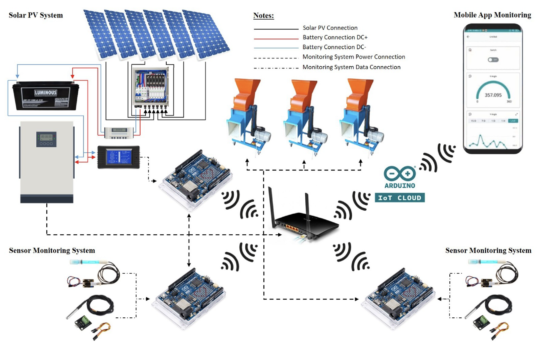
Figure 2. Architecture of the eco-friendly composter

Figure 3. Demonstration of the eco-friendly composter and discussion with local residents on sustainable waste management practices.

Figure 4. Waste shredding machine with solar power